

Perinvo • ZBB Interactive Guide
Arabic & English • Smart • Mobile-ready
Language
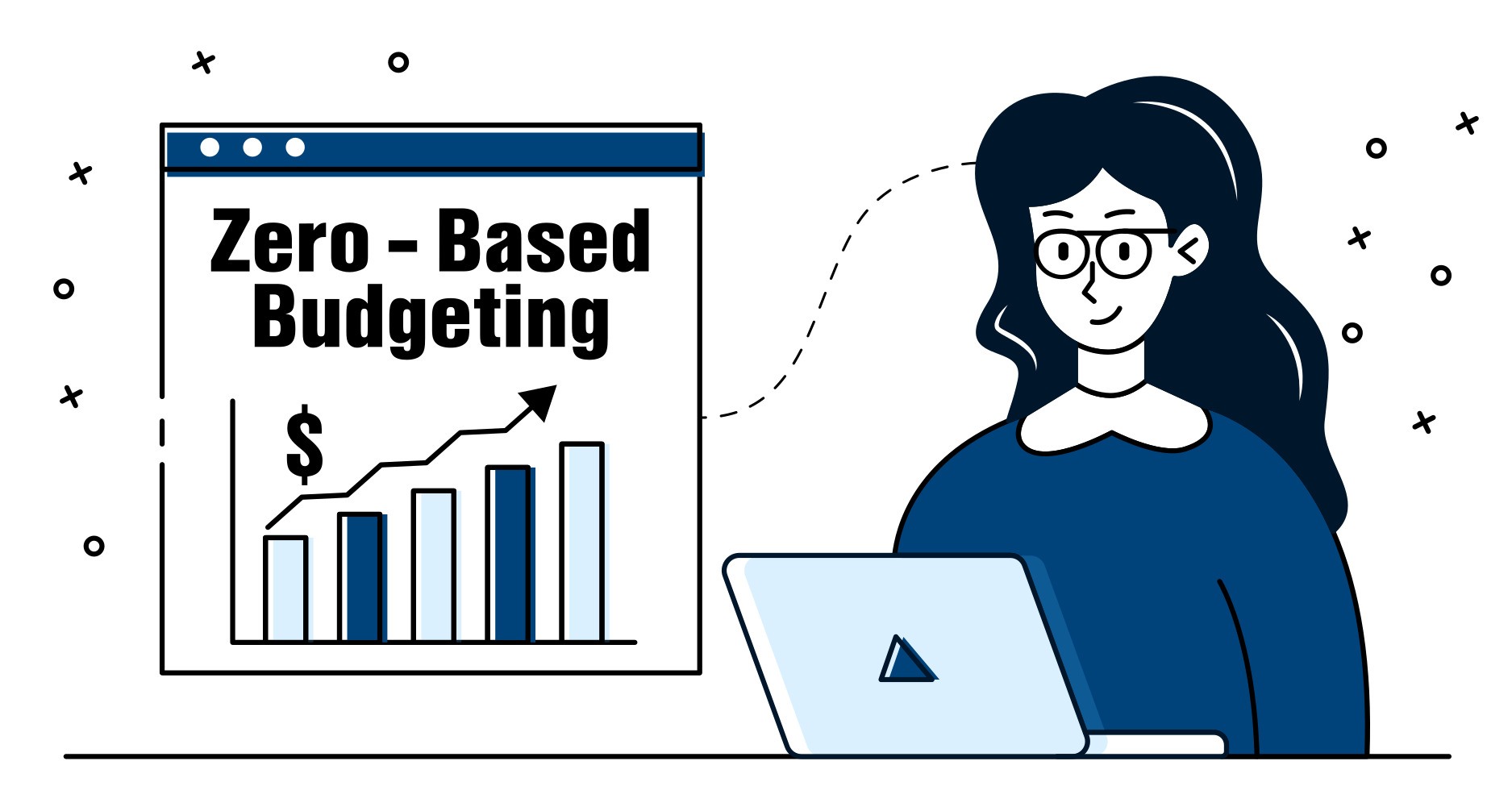
Zero-Based Budgeting (ZBB)
Start from zero — justify every pound
ZBB means you don’t approve expenses just because they existed last year. Every activity must explain its need, cost, and expected value.
Use this guide to explain ZBB to management, build your approach, and test understanding with FAQs + a quiz.
Best for
Cost control, re-structure, cash pressure, clarity
Core idea
Spend linked to value, not history
Key output
Prioritized “decision packages”
What changes
Shift from “+%” to “prove it”
Definition
Zero-Based Budgeting is a budgeting method where the budget starts at zero and each expense must be justified from scratch.
ZBB vs Traditional
Traditional budgeting uses last year’s numbers as a baseline. ZBB challenges every line item and funds only what creates value.
Why do companies use ZBB?
Because it reveals waste and redirects spending toward what matters.
When to use it
When NOT to use it
How ZBB works (practical steps)
Think in activities (decision packages), then prioritize funding.
Common evaluation criteria
Deliverables you should produce
Interactive example (Decision Package)
Build one activity package. Then see a simple “value score” and the recommended decision.
This is a simplified logic for learning. In real ZBB, you’ll compare multiple packages and prioritize funding under a total budget limit.
| Metric | Result |
|---|---|
| ROI (Benefit / Cost) | — |
| Value score (0–100) | — |
| Recommendation | — |
Mini story (Training)
Traditional budgeting: last year 500,000 → this year +10%. ZBB: justify the activity, measure outcomes, compare alternatives, then fund only what creates value.
What to learn from the example
FAQs (questions managers usually ask)
Use these answers to communicate ZBB clearly and reduce resistance.
Quick Quiz (10 questions)
Test understanding. Get instant score + explanations.
Score: —
Mini Glossary
Tip: add this glossary to your internal budget policy for consistent terminology.